INTRODUCING: THE DEATH OF “STANDARD” CUSTOMER SERVICE AND THE RISE OF WHITE GLOVE CUSTOMER SERVICE.
Why Elite Customers Now Expect White Glove Customer Service, Concierge-Level Experiences
For decades, most companies treated customer service as a standardized operational function:
Same queue
Same process
Same escalation model
Same support experience
That model is rapidly collapsing.
Because not all customers create equal value.
Some customers:
Influence billions in purchasing decisions
Shape market perception
Control enterprise relationships
Influence Wall Street narratives
Drive ecosystem adoption
Accelerate or damage brand reputation
And increasingly, the companies winning at the highest levels understand something critically important:
High-value customers should never experience commodity service. They expect white glove customer service!
THE RISE OF THE WHITE GLOVE CUSTOMER SERVICE
The modern white glove service model is built around a simple premise:
The higher the customer value, influence, or strategic importance…
the more elevated, personalized, proactive, and frictionless the experience should become.
This is not favoritism.
It is intelligent customer strategy.
Many of the world’s most successful luxury, hospitality, financial services, and technology brands have quietly operated this way for decades.
Examples of World-Class White Glove Customer Service
EXAMPLE #1 — THE AMERICAN EXPRESS CENTURION MODEL
One of the most famous examples is the American Express Centurion Card, commonly referred to as the “Black Card.
“One of the most famous examples is the American Express Centurion Card, commonly referred to as the ‘Black Card,’ which helped redefine premium concierge-level customer experience through personalized service and elite relationship management.”
…with “premium concierge-level customer experience” linked to:
The Centurion experience was never simply about a payment card.
It was about creating:
Exclusivity
Status
Emotional connection
Personalized service
Operational prioritization
Elite access
The program became famous for:
Invitation-only membership
Dedicated concierge access
Personalized travel assistance
Event access
Emergency support
Premium reservations
White glove issue resolution
Highly personalized treatment experiences
The larger strategic insight was this:
The customer was no longer interacting with a call center.
They were interacting with a relationship ecosystem.
Over the course of my consulting and customer strategy work, I had the opportunity to help envision and architect several elite white glove customer experience concepts influenced by this exact model:
High-value customer segmentation
Concierge escalation paths
Elite service tiers
Proactive account orchestration
Executive relationship servicing
Differentiated support models for influential customers
The underlying principle was always the same:
Remove friction for the customers who matter most strategically.
EXAMPLE #2 — THE RITZ-CARLTON SERVICE MODEL
Another legendary example is The Ritz-Carlton.
Ritz-Carlton became globally recognized not merely for luxury accommodations, but for:
Anticipatory service
Empowered employees
Personalized guest memory systems
Concierge-level personalization
Emotional recovery experiences
Service ownership culture
Its Club Level experience includes:
Dedicated concierge staff
Personalized planning assistance
Curated guest experiences
Elevated access models
The company became famous for stories where employees solved highly personalized customer problems far beyond standard policy expectations.
The lesson:
White glove service is not reactive support.
It is proactive emotional relationship management.
EXAMPLE #3 — NORDSTROM’S HIGH-VALUE CLIENTELING MODEL
Nordstrom pioneered high-touch retail clienteling long before most companies understood personalized commerce.
Its highest-value customers often receive:
Dedicated stylists
Personalized recommendations
Direct outreach
Curated experiences
Appointment-based service
Frictionless returns
Elevated relationship treatment
Luxury retailers increasingly use VIP clienteling models because a very small percentage of elite customers often generate disproportionate revenue.
This is a critical modern business reality:
A tiny percentage of customers often drive a massive percentage of profitability.
THE NEW REALITY: NOT ALL CUSTOMERS SHOULD EXPERIENCE THE SAME SERVICE MODEL
This is where many organizations still fail.
They continue operating:
One-size-fits-all support
Generic escalation structures
Reactive service models
Commodity treatment architectures
Meanwhile elite customers increasingly expect:
Immediate access
Contextual awareness
Proactive service
Continuity
Ownership
Relationship familiarity
Strategic treatment
A CEO, EVP, SVP, major investor, strategic influencer, or enterprise decision-maker should never feel like:
Ticket #48372
Another queue entry
Another escalation
Another transfer
THE 10 COMMANDMENTS OF WHITE GLOVE CUSTOMER SERVICE
1. KNOW WHO MATTERS MOST
Not all customers create equal value.
Elite service begins with intelligent segmentation:
Revenue
Influence
Ecosystem importance
Expansion potential
Strategic visibility
2. REMOVE FRICTION AGGRESSIVELY
White glove customers should never:
Repeat themselves
Navigate complex IVRs
Restart conversations
Manage internal coordination
The organization should absorb the complexity — not the customer.
3. PROVIDE A SINGLE POINT OF OWNERSHIP
The most important phrase in white glove service is:
“I’ll personally handle this.”
Ownership creates emotional trust.
4. CREATE CONTEXTUAL MEMORY
Elite customers expect:
Rremembered preferences
Relationship continuity
Contextual intelligence
Historical awareness
They should feel recognized instantly.
5. PRIORITIZE SPEED WITHOUT SACRIFICING QUALITY
White glove service is not merely “fast.”
It is:
Precise
Informed
Orchestrated
High confidence
6. ANTICIPATE NEEDS BEFORE THEY BECOME PROBLEMS
True concierge organizations become predictive.
They proactively identify:
Risks
Delays
Disruptions
Lifecycle events
Unmet needs
before the customer asks.
7. EMPOWER FRONTLINE CONCIERGE TEAMS
Elite experiences collapse when concierge agents lack authority.
World-class white glove teams require:
Decision authority
Flexibility
Escalation access
Operational autonomy
8. DESIGN FOR EMOTIONAL EXPERIENCE
White glove customers remember:
Confidence
Reassurance
Calmness
Trust
Competence
Not just transaction completion.
9. MEASURE RELATIONSHIP STRENGTH — NOT JUST EFFICIENCY
Traditional metrics:
AHT
SLA
ticket closure
are insufficient.
White glove metrics must include:
Executive trust
Relationship durability
Strategic account health
Advocacy
Concierge satisfaction
Influence retention
10. MAKE THE CUSTOMER FEEL IMPORTANT
Because they are.
Elite service ultimately communicates:
“You matter differently here.”
That emotional signal is enormously powerful.
THE 10 PRE-REQUISITES FOR BUILDING A WHITE GLOVE CUSTOMER SERVICE
Many companies attempt white glove service without building the operational foundation required to sustain it.
That always fails.
1. CUSTOMER VALUE SEGMENTATION
Define:
Strategic customers
Executive customers
Influence tiers
VIP treatment criteria
2. DEDICATED CONCIERGE TEAMS
Do not mix:
Standard queues
Transactional service
Elite relationship management
These require different talent profiles.
3. ADVANCED AGENT CERTIFICATION
Concierge agents should undergo certification in:
Executive communication
Conflict recovery
Emotional intelligence
Operational orchestration
Relationship management
Industry expertise
4. CONTEXTUAL CUSTOMER INTELLIGENCE SYSTEMS
Agents need:
Unified customer profiles
Historical context
Lifecycle visibility
Relationship intelligence
Preference management
5. PROACTIVE MONITORING CAPABILITIES
Elite service organizations proactively monitor:
Account health
Usage anomalies
Risk indicators
Escalation patterns
Sentiment shifts
6. WHITE GLOVE HANDLING STANDARDS
Define:
Response times
Escalation ownership
Communication cadence
Executive outreach protocols
Recovery standards
7. CROSS-FUNCTIONAL ESCALATION ACCESS
Concierge teams require rapid access into:
Engineering
Product
Operations
Logistics
Marketing
Pricing
Executive leadership
8. SPECIALIZED PERFORMANCE METRICS
Measure:
Relationship durability
Expansion rates
Executive satisfaction
Trust indicators
Advocacy
Retention quality
9. CULTURAL ALIGNMENT
White glove service cannot operate inside:
Cost-first cultures
Rigid bureaucracy
Empowerment-resistant organizations
The culture must support elevated treatment models.
10. EXECUTIVE COMMITMENT
White glove service requires leadership commitment.
The organizations that win the next decade will understand:
High-value customers should never experience commodity operations.
They should experience:
Confidence
Continuity
Ownership
Access
Orchestration
Emotional assurance
Strategic partnership
FINAL THOUGHT
The companies creating the strongest loyalty in the modern economy are no longer delivering “customer service.”
They are delivering:
relationship privilege.
That is the future of elite customer experience.
And the organizations that operationalize it correctly will create:
Higher retention
Stronger advocacy
Deeper loyalty
Greater expansion
More resilient executive relationships
Dramatically stronger long-term profitability
Because when elite customers feel truly understood, protected, prioritized, and valued…
they rarely leave.
Interested in architecting a world-class level white glove customer experience program? Contact Customer Experience strategist Steve Jeffes at stevenjeffes@gmail.com or 518-339-5857. Below is a small sample of the companies I have helped elevate their customer experience to best world-class.
How & why top companies are inverting their organization charts and putting their own customers in the seat of the Chief Customer Officer while increasing Customer Diversity & Inclusion (D&I).
How and why putting customers into the Chief Customer Officer seat also leads to the following ratings:
1) Higher NPS, 2) Increased customer loyalty, 3) Increased customer satisfaction levels & CSAT, 4) Growth in customer zealots that virally promote your brands and company, 5) Increased customer diversity and inclusion (D&I).
The top 10 things you will learn by reading this blog on the chief customer officer:
1) The spectrum of customer first cultures – find out where you stand on this spectrum. 2) The trends in developing customer insights and customer feedback via customer inclusionary programs and customer onramps. 3) How customer onramps support customer diversity and inclusion (i.e., customer D&I programs). 4) Customer Experience metrics from real companies who have developed and deployed these customer onramps. 5) Creative win-wins to make your customer experience more fun, engaging, educational, rewarding, and inclusive. 6) Innovations in creating customer communities that increase brand loyalty, customer referrals. 7) Market leading companies and their case studies in leveraging customers as the Chief Customer Officer (CCO). 8) The customer organization Inversion and customer empowerment of the future. 9) Quick & easy wins in getting started in the customer inversion that will create customer zealots and a customer experience 2nd to none. 10) The top 10 things you should immediately consider implementing to increase Customer Satisfaction (CSAT) levels, NPS and customer loyalty rates by double digits.
A) The Customer Organizational Inversion-Revolution (Customers–> Chief Customer Officer):
There is an organizational customer inversion-revolution going on and it will only accelerate in the future. What this revolution entails is a complete inversion of the customer decision making structure for companies, one where the customers (vs. the company) are in charge, leading the design of customer strategy and future customer programs. I call it the customer inversion revolution. This inversion looks something like the chart below. We will detail this customer organization inversion-revolution in following sections of this blog.
FROM:
Traditional Customer Service Organization
TO:
Customer Service Organization Inversion-Revolution
Key to implementing this customer organizational inversion-revolution is the development of customer inclusionary “on ramps” (shown in the green symbol above) that allows customers to participate and join the company team as brand partners, advocates, insights experts, advisors, etc. We will cover this more in depth in following sections but hence forward, customer on ramps will be designated by this symbol below:
Customer Inclusionary Onramp
These onramps detailed in the following blog increase customer inclusion by their very nature of creating an array of customer chosen methods for these customers to contribute to and participate in the company’s success. The enhanced diversity is derived from tapping into and leveraging the diverse set of perspectives and needs from existing customers that represent a cross-section of different cultures, races, genders, ages, political views, national origins and religions, etc. so that the best product and/or services are engaged in the marketplace.
Many companies have omitted these onramps in the vetting of new products, services, marketing campaigns, etc. and have ended up offending and alienating their own customers and potential prospects. A great web article points to how companies have fielded expensive and disastrous marketing campaigns and ads in the past only to have to quickly pull them from the market. Additional customer experience and customer leadership resources are available through the Customer Experience Professionals Association (CXPA): https://cxpaglobal.org/.
These campaigns/ads are often a result of corporate myopathy and not taking into account a multitude of diverse perspectives enabled by an array of customer D&I onramps: “7 of the most controversial ads of our time” https://www.thedrum.com/news/2019/04/08/7-the-most-controversial-ads-our-time. A major West Coast bank vets all of it marketing concepts through a customer insights group (covered below) before ever releasing the ad and/or campaign into the market. Only after the CIG group (onramp) has weighed in and provided their approval and feedback will this bank to go market with their marketing concepts.
Bottom line, these onramps enable your customers to become brand and company partners/advocates who, through time and continued onramp participation, develop an ever increasing vested interest in the brand(s) and company success.
To be receptive to this change and to get onboard with customer leaders who are in the process of putting customers in charge and implementing the customer organizational inversion-revolution, you must first have a foundational customer centric culture. Companies that are implementing this customer centric change and building customer brand partners include Apple, Southwest Airlines, Ritz Carlton, Amazon, Marriott, Bank of America, Wells Fargo, etc. Let us first explore what a customer centric culture is and the spectrum of companies on the customer centric continuum.
B) The Customer First, Customer Centric Culture
To begin with, almost every company claims to be customer centric, that their customers are their most important asset, customer satisfaction is a priority, etc. In practice I have found that there is a spectrum of truth to these public statements ranging from treating customers as a necessary commodity to the other end of the spectrum and treating customers as equal and respected partners and treating customers as a true extension of the company-employee team.
Referring to the chart below, we can see that spectrum of company cultures and their treatment of customers based on these different company customer cultures. To simplify this illustration, I have only included 3 types of companies as follows (along top of chart):
Customer Centric Company Spectrum
“Customers are our most valuable asset”: Companies that truly value their customers and view them as an integral part of their team and company’s success. This type of company also maintains a true customer first culture, policies, standards, etc. (right side of chart, spectrum).
“We Value our Best Customers”: Companies that only strive to cater to their most valuable customers since these customers benefit the company the most (middle of chart, spectrum).
“Customers are a Necessary Commodity”: Companies that interact and ‘deal with’ customers when it benefits them (they pay lip service to slogan ‘customers are their most important asset’), left side of chart, spectrum.
On the left side of the above chart, we have a number of customer facing dimensions including the following:
1) “Customer Input”: How the company views and approaches soliciting customers for insights, input on new programs, detailed feedback (i.e., focus groups, crowdsourcing, etc.), etc. 2) “Customer Complaints”: How the company views and approaches the handling of customers complaints. 3) “Customer Inclusion, Partnership”: How the company approaches being customer inclusive by offering customers ways to partner with the company including online communities, customer co-blogging, customer spotlights, etc. 4) “Customer Engagement”: How the company approaches customer communication and creates a rewarding and engaging customer experience.
Companies located on the far-right side of the chart have the following belief that is not only a slogan, but embodied in the company culture, operations, practices, standards, rewards systems, etc.:
“Customers are our Most Valuable Asset”.
For the first customer dimension on the left side of the chart, “Customer Input”, a comment that I heard from a CEO with this type of culture is as follows:
“We make no (major) decisions (that will impact the customer) without the customer’s direct input”.
For the first customer dimension of “Customer Complaints”, a company CEO said the following,
“Customer complaints are a valuable insight and gift to help us improve, beat our competition”.
You can read the comments for each type of company aligned to each customer dimension. Bottom line, without a foundational customer first mindset, rewards and incentive system and culture, you will be impeded on implementing the effective customer inclusion program with many possible customer onramps detailed in the remainder of this blog.
C) Chief Customer Officer Best Practices: Mainstream Customer Inclusionary Programs & Onramps:
As I mentioned before, once you have established a totally customer centric culture, the 2nd step is to build customer incremental onramps for the customer to become a brand partner and an integral part of the customer team. These onramps invite the customer to participate in a number of activities that will increase customer satisfaction (CSAT), loyalty, NPS, viral referrals, etc. Based on my experience, building these customer inclusionary onramps can net your company huge increases in key customer measures as follows:
1) NPS: +14 to 49 2) Customer Loyalty: + 4% to 36% 3) Customer Positive Sentiment: +12% to 71% 4) Customer Viral Referrals: +11% to 26%
Customer On-Ramp: Customer Advisory Board Program
1) Customer Advisory Board Program:
A Customer Advisory Board (CAB) is the composition of a group of trusted, and generally top customers, who meet on a regular basis (i.e., Quarterly) to advise the company on strategic direction such as the product and/or service roadmap and on upcoming major new programs. Customer advisory boards (a.k.a. trusted customer advisors) can also be a conduit to award top customers for their input, loyalty, spend, referrals, etc.
At a top US automotive company, we invited our top and most open/honest customers to these focus group and advisory events, paid their travel expenses, hosted a nice dinner reception and, at the end of the session, gave them an appreciation gift for their continued participation and loyalty. We also had Platinum private customer events for our top 1% spend customers which were meetings with the EVP and above for open-ended candid feedback & insights gathering discussions.
Customer On-Ramp: Customer Insights Group Program
2) Customer Insights Group Program:
A Customer Insights Group (CIG) is the composition of a wider cross-section of customers or specific customer segment(s) who meet on a regular basis (i.e., weekly, quarterly) to advise the company on new tactical programs, proposed sales campaigns, and marketing concepts, provide feedback on existing program effectiveness, provide customer experience insights based on their own actual experience, etc. Customer insights groups are usually on a voluntary enrollment basis and typically come with some sort of incentive to participate (i.e., participate and be entered in a drawing for a gift certificate).
A top 5 US bank uses these extensively and there is a directive from the CMO that no new marketing programs/materials/etc. will be fielded without first getting the input of this insights group. After implementing this program, marketing effectiveness increased by an overall 27% and the loyalty of the group increased by a whopping 38% as compared to non-CIG participants. When surveyed, 92% of CIG members indicated that they told 26+ about their positive perception of this bank CIG program (survey choices were 0-5, 6-10, 11-15, 16-25 or 26+).
Amazingly enough, 5,000 participants volunteer up to 8 hours of their time per week to participate with another 5,000 eagerly waiting in the wings for their term to participate (participation is limited to a 2-year term).
In addition, by tapping into a diverse customer set, the bank was able to avoid potential marketing disasters by stopping the fielding of proposed marketing materials that were deemed offensive and culturally insensitive by members of the customer insights group.
Customer On-Ramp: Customer Co-blogging & Co-Authoring Program
3) Customer Co-Blogging & Co-Author Program:
Customers telling their story (the voice of the customer) about their success in using your product/service and their customer experiences are 5-7x more credible than coming from the company. In addition, customer authors bring with them an entirely new audience sphere (their friends, connection, relatives, etc.) which will result in a dramatically increasing your website traffic, SEO, referrals, etc. Customers love the opportunity to be spotlighted and write their own story (with helpful company editing of course) when it comes to their experience interacting with the company. Co-blogging can also be about customer stories with a human-interest side to it vs. always being business oriented. Customer co-authored articles can be about topics such as how to gain the most value from the product/service, tips/tricks they have learned, the value they have gained from using same, etc.
We recently used this for a struggling newsletter program that had only penetrated 27% of our customer base. Six months after I implemented the co-blogging program, the newsletter distribution grew to 56% of our customer base and we experienced a simultaneous increase of 17% in new visitor web traffic.
Customer On-Ramp: Top Customer Appreciation & Recognition Program
4) Top Customer Appreciation & Recognition Program:
Remember the movie “Up in the Air” with George Clooney? He was a top traveler who strived to be in the 1% club in terms of air miles flown per year on a particular airline whereby, if he achieved this distinction, he would then be invited to an awards dinner with the CEO of the airline and be showered with a whole host of flying perks after achieving that level of spend/loyalty. Banks, hotels, brokerage firms, etc. all have an array of top customer loyalty rewards programs.
For the very top customers, there are more hands-on personal perks like a dedicated/private concierge assigned to customers like for the American Express Black credit card which can only be obtained by direct invite by American Express (i.e. not via request). A top US air conditioning company I used to work for had top distributorship recognition events for the distributors who sold the highest revenue generating air conditioning units. While focused internally for a company, many salespersons have benefitted from such top achievement loyalty programs by achieving the distinction as top salespersons for their companies and being rewarded with trips, cash, luxury items, cars, etc. as a thank you for their contributions.
Customer On-Ramp: Customer Product/Service Beta Group Program
5) Customer Product/Service Beta Group Program:
Before top companies like Microsoft and Apple ever release a new product into the market, they first try these new products with limited volunteer beta groups. They gather feedback from these beta test groups and then continuously improve the beta product before releasing the product to mitigate potentially disastrous consequences of releasing products with potential flaws that internal testing failed to consider via their test cases.
Customer On-Ramp: Customer Success Program
6) Customer Success (Spotlight) Program:
Does your company have successful customers using your product and/or service? Why not showcase or spotlight this success by detailing what they did, how they did it and the value they were able to derive from doing so? Challenge customers to submit their success stories for selection to spotlight in the newsletter, website, articles, FAQs, consideration for prizes for the top stories, etc. The more customers witness real customer successes, the more other customers will want to figure out how to acquire your product/service to emulate the success of other customers.
Customer On-Ramp: Ambassador Program
7) Customer Ambassador Program:
The Syracuse University (SU) admissions and student success programs received a big boost with the adoption of its Alumni ambassador program whereby successful alumni would volunteer to host regional recruiting events, student college send-off events, and answer questions from interested students in their area. Alumni ambassador groups increased the level of excitement and enthusiasm for new students and families while simultaneously decreasing the levels of anxiety and confusion among students and families.
The entire ecosystem of a customer first, customer inclusive company that has inverted the customer organizational structure and has built a comprehensive set of customer onramps to be able to put customers in charge of customer operations would look something like the following chart:
D) Chief Customer Officer Best Practices: Other Customer Inclusionary Programs & Onramps:
In addition to the more popular and mainstream customer inclusionary programs above, there are several other programs that I have encountered that were effective by increasing the levels or customer loyalty and creating many customer-brand zealots (those who actively and aggressively advocate for the brand/company).
Customer On-Ramp: Creative Council Program
1) Customer Creative Council Program:
Many customers have a wide range of creative talents outside of simply being a customer. A company with a large customer base tends to have customers who are very creative such as artists, craftspeople, etc. A large SaaS software firm I consulted for would solicit creative ideas for new campaign concepts from the creative group among their customer base (and sometimes from their employees) to get the best creative concepts as possible. Many times, customers would develop far more appealing creative concepts than their own dedicated creative talent working within the company. Why not source from the best of the best, including creative customers?! This would allow the company to harness this creativity while allowing creative customers to be spotlighted for their hidden talents and feel valued by the company.
Customer On-Ramp: Talent Showcase Program
2) Customer Talent Showcase Program:
Beyond just being creative, a company with a large customer base typically includes customers who are also poets, book authors, those with interesting and varied professions such as paramedics, volunteer firefighters, food bank volunteers, world travelers, iron men or women, triathletes, extreme cyclists, paragliders, scuba divers, treasure hunters, etc. Many companies I have worked with have conducted customer showcases that highlight the interesting lives of their customer base beyond merely being a customer. These personal story showcases add a human-interest side to the customer base and tend to make customers feel more connected to and understood-appreciated by the company.
Are you planning on creating a customer journey map and want to know what the important steps and metrics are in that journey? Why not invite the customer to join in on these development sessions to provide the team with some insights, feedback, important items to consider? I have used this approach quite effectively and have developed far more qualitative customer journeys as a result. I used this approach to develop a brand new and innovative customer journey map I have labeled “The Quantifiable Customer Journey Map”. Refer to my previous blog article for insights here: https://bit.ly/3bvPRal
The Quantifiable Customer Journey Map
Bottom line, without the customer’s input, the high quality achieved in the final customer journey map would have been much more difficult and time consuming to achieve.
Customer Diversity & Inclusion Council
4) Customer Diversity & Inclusion Council:
A few companies I have worked with in the past have managed and conducted employee diversity councils whereby employees would provide their perspective on how the company can be more diverse, culturally sensitive, and overall inclusive.
A few companies have taken this further and included their own customers into the diversity council along with their employees. In this manner, the company ensures that it is considering the widest possible perspective on D&I and not falling victim to company group think.
Regardless of whether you include a formal customer diversity council, what all the above illustrated customer onramps do in essence is help build a company culture that supports customer diversity and inclusion (D&I) as follows:
1) Enables the assembling of a diverse set of perspectives, based on unique and diverse set of customer experiences, needs, etc. 2) Provides diverse feedback on potential new customer programs, marketing, etc. that might be perceived as offensive and discriminatory to certain customer groups. 3) Enables customers to showcase their diverse backgrounds, talents, interests, viewpoints. 4) Enables a voice of the customer cultivation that represents the full cross section of diverse customers. 5) Enables the delivery of the best of the best solutions by allowing feedback on proposed programs from a wide and diverse set of customers.
If your organization is seeking experienced assistance in creating these customer onramps and a more diverse and inclusive and customer first organization where customers are leveraged to assist the insights Chief Customer Officer (CCO) and are transitioned to full brand-partners/advocates/participants/etc., then give me a call or e-mail me at 518-339-5857 or stevenjeffes@gmail.com. I am also a Certified CultureTalk (https://culturetalk.com/) consultant that can help you develop and/or improve a customer-oriented, customer first culture.
Steven Jeffes, Certified CultureTalk Consultant
Lastly, this is just one article of over 60 articles I have written on customer strategy, customer experience, CRM, sales excellence, marketing, product management, competitive intelligence, corporate innovation, change management – all of which I have significant experience in delivering for numerous Fortune 500 companies.
The following are the top 10 customer experience measurement & Metric concepts you will learn in this blog article:
What are the most common set of metrics used to measure customer experience quality and effectiveness.
What these common customer experience metrics are used for
When are these best practice customer experience metrics best measured
What a customer journey (a.k.a. customer life-cycle) is and how it related to customer experience metrics
Why a balanced scorecard is better than any one single customer experience metric
Why NPS is not sufficient to provide a comprehensive picture of your customer experience quality and effectiveness
The top 10 best practices in developing a world-class customer experience measurement program and balanced scorecard
Sample of what a customer journey looks like as well the customer experience analytics collected at each journey phase
Examples of embedded detailed customer journey phase analytics paired with summary & executive level customer experience analytics
How to develop customer experience analytics that also drive the development and support of a customer first, surprise and delight culture.
Peter Drucker once said “If you can’t measure it, you can’t manage it”. This ageless and famous quote applies to almost all situations and customer experience is no exception. There is virtually no way to determine how effectively your customers are being treated without a robust set of measures to gauge how well you are fulfilling their needs, wants, desires, etc. In this blog article, we will cover the specific metrics that best practice companies use to measure their customer experience delivery along with it is done.
Customer Experience Measurement is the discipline that allows organizations to objectively assess customer satisfaction, loyalty, retention, and overall experience effectiveness.
Peter Drucker’s Famous Measurement Quote
Most commonly used Customer Experience Measurment Metrics
The Chart below illustrates some of the more commonly used customer experience (CX) metrics and how/where they are used in the customer journey continuum.
These measures form the foundation of any effective Customer Experience Measurement program.
Customer Experience Measurement Metrics
Customer satisfaction(CSAT) – one of the most common uses of customer satisfaction ratings is on ratings websites like Yelp, TripAdvisor, Facebook, Google, etc. using the now famous five star rating system seen below. Other customer satisfaction feedback mechanisms are more sophisticated, querying customers on an array of customer experience topics that are multi-dimensional in nature.
Customer Satisfaction Score Example
Customer Churn Rate (CCR): Customer churn rate is almost always expressed in terms of a percentage and is a product of the number of lost customers divided by the number of retained customers for any given period (day, week, month, Quarter, Year).
Customer Churn Rate Example Calculatio
Customer Effort Score: Customer Effort Score is recorded to keep a pulse on how easy it is for a customer to accomplish certain transactions with your company (e.g. return a product, handle an issue, inquire about upgrades, etc.). It is obtained via surveying customers following a major interaction and is expressed in terms of a numeric, typically on a 1-10 or 1 to 7 scale. Here is a sample I developed for a client where the score is translated into a 1 to 7 scale (from “Strongly Disagree”=1 to “Strongly Agree”=7).
Customer Effort Score Quantification Example
Customer Average Time to Resolution (CATTR): This metric is a measure the average time it takes to resolve categories of customer interactions (inquiry, product issue, service issue, contract renewal, return, etc.). This is expressed in average time per interaction category as shown in this example
Customer Average Time to Resolution (CATTR) Example Calculation
First Contact Resolution (FCR): All companies should strive for what is called “one and done” customer service, enabling the customer to handle any need with one short effort. The benefits of achieving this are endless including the following: Research I have read has indicated that a 1% increase in FCR rates translate into decreasing operating costs by 1%, increases of both customer satisfaction and employee scores by 1-3% as well as increasing customer loyalty (up to 20%). How companies measure FCR vastly differs including surveying customers, tracking it in a CRM system, tracking it in a contact center database or querying the customer at the end of a call. Many companies sadly do not track this metric and lose out on the visibility and resulting benefits this provides.
One & Done Customer Service Creates Elated Customers
Contract Renewal Rates (CRR): This metric is more company specific but, when applicable and used in conjunction with the other metrics, provides a great barometer on the health of the contract oriented business. For example, you might be experiencing great FCR and customer average time to resolution, but contract renewal rates might be lagging due to a perceived lack of value by the customer for the price paid. By using this metric in a balanced scorecard along with CSAT, FCR, CATTR you have a much more comprehensive view of total customer satisfaction than with just a few measures, allowing you to reduce business risk and potential revenue surprises.
High Contract Renewals = High Customer Satisfaction
Net Promoter Score (NPS): Net Promoter Score (NPS) is the most commonly used and simplest customer experience metric that exists. NPS is typically measured by asking the following question:
How likely are you to recommend [business, service, product] to a friend or colleague?
Customers rate your company, service, product, etc. on a scale of 0 to 10. Respondents are grouped in the following categories:
Customer Promoters (Score 9-10)
Customer Passives (Score 7-8)
Customer Detractors (Score 0-6)
Calculate Net Promoter Score is typically calculated by subtracting the percentage of net detractors from net promoters. Here is a great illustration on how this is determined, calculated:
Net Promoter Score Example Calculation
It has been found that only those customers who provide a rating of a 9 or 10 on the NPS scale are those who will truly become adjunct volunteer company sales and marketing agents and are a result of experiencing surprise and delight levels of customer service. These same elated customers are the ones who tell everyone they meet about your exceptional company and your amazing, services, products, customer service, etc. More on this in a future blog that will address the topic of “Delivering Consistent Surprise and Delight Customer Service”.
On this last point of NPS, there exist many misnomers about what to measure for customer experience effectiveness. Many professionals I have met in my consulting travels have the misconception that measuring one metric like Net Promoter Score (NPS) is sufficient to measure the quality of the customer experience you are delivering to their customers. This is equivalent to believing that taking your body temperature is sufficient to determine your overall health when in actuality there are many measures taken together that help make this healthy/not healthy determination. The same is true for measuring the quality of your customer experience. While NPS is a good measure for helping to determine the quality of your customer experience effectiveness when used correctly, similar to body temperature, it must be augmented with many other measures to determine its overall effectiveness.
Other customer experience metrics include employee turnover (a leading indicator of customer satisfaction), year-over-year same customer spend, customer loyalty and average longevity, customer acquisition rates over time, etc. I will go more into this when I cover the topic of customer journeys.
Customer Experience, Satisfaction Humor
Top 10 best practices for Customer Experience Measurement
First, let’s examine my recommended top 10 best practices for Customer Experience Measurement and customer experience delivery effectiveness.
Monitor Customer Experience Metrics in Real Time and continuously improve customer experience programs based on actual CX metrics/program performance.
Track top level Customer Experience (CX) Metrics for all customers (i.e. average customer satisfaction) and for individual customer segments (i.e. price sensitive customers or high value customers).
Request both customer qualitative and quantitative ratings throughout the Customer Life-cycle during critical customer interactions. Accomplish this my providing a conduit for your customers to become brand partners who are invited to participate in providing program feedback prior to full launch, provide detailed focus group feedback on selected topics and for most valuable customers to participate in exclusive customer advisory boards.
Ensure group appropriate customer experience metrics are being delivered to each layer of the organization (highest importance summary level for CEO – Chief Customer Experience officer, more granular metrics for tactical managers and line staff).
Cultivate and measure your own internal customer metrics and calibrate against externally measured CX like the American Customer Satisfaction index or metrics collected by firms like the Service Management Group (Kansas City), Direct Opinions (Beachwood Ohio), C-Space (Boston), Engine Group (NYC), etc. For additional benchmarking information, refer to the American Customer Satisfaction Index (ACSI): https://www.theacsi.org/
Track customer experience effectiveness via a balanced scorecard of Customer Experience Metrics including customer satisfaction, NPS, Customer Churn and renewal rates, customer spend per year and employee turnover (a proven leading indicator of customer satisfaction).
Ensure the collection and dissemination of Customer Experience metrics meet the golden rules of being seamless to your customers, easy to obtain and are ingrained as part of normal business operations.
Review customer experience metrics during key management reviews like operational reviews, leadership team reviews and financial reviews. Ensure action plans are developed for metrics above and below expected performance levels.
Ensure that the company culture and training is supported and in-line with customer experience metrics by making everyone’s KPIs metrics align to the performance of key customer metrics.
Develop customer journeys (a.k.a. customer life-cycles) and develop customer experience metrics for each major step in the customer journey.
The last best practice is to identify key end-to-end customer journeys or paths of customer progression when engaging your company and then attach appropriate customer experience journey analytics along those customer paths. Once you understand the different touch-points and how they impact the overall customer journey, you will be in a far better position to pick the most appropriate metric to use at each touch-point. The best metric is company determined based on a developed set of customer experience standards and goals.
In my example in the introduction, Net Promoter Score (NPS – which answers the question, “How likely are you to recommend [business, service, product] to a friend or colleague?” and is rated on a 0 to 10 score), is not a total customer experience solution metric. The reason is that NPS works best when measured at the end of a customer journey (a.k.a. customer life-cycle), such as at contract renewal time. For example, if a customer is getting frustrated returning a product or trying to resolve a service issue, then they will likely defect long before they are queried on NPS. It is better to measure customer satisfaction right after an interaction to have real-time insights into a customer’s experience satisfaction and not wait until NPS query time
The following example demonstrates how Customer Experience Measurement can be deployed across multiple customer journey phases.
Here is a sample customer journey I developed from a recent client consulting engagement along with the metrics they decided to collect at an aggregate level as well as along this customer journey. Some of the metrics and customer journey names have been changed to protect my client’s identity. In addition, this client wanted to err on the side of measuring many metric points frequently and not all clients are this exhaustive in measuring their program. Some of these metrics were already in place before we added many others.
Customer Journey Analytics Illustration
The above illustrates one of the main customer journeys (discover to renewal) in the life of a customer along with the Macro customer phases in that journey (i.e. 1-customer discovery, 2-customer sales & on-boarding, 3-customer support, 4-customer renewals) as well as the micro phases in that journey (product, service credibility evaluation).
The above chart also illustrates the fact that it is important to track global/summary metrics at the top of the organization (i.e. total customer satisfaction) in order to gauge overall customer experience health and to balance these with more granular measures along the customer journey phases (i.e. First Contact Resolution in the on-boarding and support phases). While there is a recommended set of best practice metrics to collect for standard customer journeys, each company will make a different selection of the mix of metrics. For example, if a company’s life blood is contract renewals then the metrics will be more geared toward gauging the customer’s satisfaction for the existing contract experience (value for contract price, value of contract to client’s business, contract terms & ease of doing business vs. perhaps product return rates).
One best practice embedded in the above is to report on the number of customer stars (in the 1st and 3rd phases above) per period whereby employees who have delivered exceptional “surprise and delight customer service” are recognized and rewarded. Customers of this company as well as executives from the company are provided incentives to recognize employees who went above and beyond in delivering exceptional customer service. This company tracks this via reports and recognizes top employee customer stars quarterly and annually with top company customer stars getting recognized, rewarded, etc. This helps build a culture of support for being customer exceptional with top stories being told over and over to teach employees what it means to be customer exceptional and encourage others to emulate this valued behavior
Summary of Customer Experience Measurment Metrics
In summary, effective Customer Experience Measurement must be guided by a set of best practices. The use of customer journeys as well as customer experience journey analytics, balanced by summary customer experience metrics comprises a customer experience balanced scorecard. By not measuring or under-measuring your customer experience delivery effectiveness, you are flying blind and having to take guesses as to whether your program is delivering exceptional customer service to your customers or not. Only when you reach the level of consistently delivering exceptional “surprise and delight” customer service will you reap bottom line benefits of accelerated customer acquisition, reduced sales and marketing costs, increased customer loyalty and increased employee and customer satisfaction.
With all this being true, there is no excuse to not actively work on creating the best customer experience program possible!!
If your organization is seeking experienced assistance in measuring and improving your customer service and customer experience, then give me a call or e-mail me at 518-339-5857 or stevenjeffes@gmail.com
Lastly, this is just one article of nearly 50 articles I have written on Customer strategy, customer experience, CRM, marketing, product management, competitive intelligence, corporate innovation, change management – all of which I have significant experience in delivering for Fortune 500 companies.
Do you know which of your customers is destroying your company and brand value via negative word-of-mouth comments?
Do you know which of your customers is on the verge on defecting from your company and brands to one of your competitors?
Do you know which of your customers is promoting your company and brands and generating positive company and brand value on your behalf?
Do you know which of your customers is as passionate about your company and brand as your CxOs and should be rewarded as such?
To find out the answer to these questions, read the rest of this informative blog article below.
Customer Loyalty & Advocacy
{Click on image above for a larger/clearer view}
Your customer base is almost always represented by the above spectrum of customers. What varies from business to business is the percentage in each segment group. The more well managed your business, the more skewed to the right your customers tend to be. Therefore a business must develop strategies to migrate customers continually from the left to the right from segment group to segment group in increasing numbers. The rest of this blog is dedicated to sharing best practices on how to migrate more of your customers to the right of the spectrum.
Customer Loyalty and Advocacy Framework
{Click on image above for a larger/clearer view}
For any company to achieve world-class status, one must carefully map out a customer loyalty and advocacy framework including the following component steps from the chart above:
Clearly articulated customersegment definitions based on customer satisfaction levels, in addition to customer buy/sell segment definitions (top independent seller, high volume digital seller, etc.)
A clear customersegment strategy and detailed tactics on the customer treatment that should be employed for each customer satisfaction segment
Customer cross-segment best practices and processes to drive segment migrations from the far most left segment to the far most right segment (i.e. from dissenters to super advocates)
Customer Loyalty & Advocacy Framework Segments
{Click on image above for a larger/clearer view}
The above customer loyalty & advocacy framework includes the following segments:
Customer Brand Dissentersor Malcontents – Very negative and detrimental to the company’s brand(s)
Customer Company Defectors– Very likely to defect to a competitor
Customer Neutralor Indifferent – Neither brand supporters or detractors of the company’s brand(s)
Customer Brand Supporters– Slightly positive about the company’s brand(s)
Customer Brand Advocates– Very positive and generating positive value to the company brand image
Customer Brand Super Advocatesor Delighted Customers – Active promoters of the company’s brands, adding continuous & tremendous value to the company brand image
A formal social and company/brand listening and tracking program is a best practice on how to identify which of your customers exist in each of the above segments (see my previous blog entry on the topic of Social listening programs).
Customer Dissenters & Defectors
{Click on image above for a larger/clearer view}
From this graphic above, we can see clearly that the strategy should be as follows:
Dissenters:Diffuse and redirect customer angst and anger and come to some sort of closure agreement on for the source of their angst/anger.
Defectors: Get the defectors to see the entire spectrum of value the company has to offer and get them back to the level of positive company engagement vs. disenfranchisement. Provide insights to how a more positive company relationship would reward them – loyalty programs and other rewards.
Unless the individuals in these segments are high value or high profitability customers, then you would want to minimize the financial rewards to these customer satisfaction segments.
In addition and based on my research and experience, you are wasting your marketing and sales $$ spend to these two segments as they are much more unlikely to respond to any marketing offers due to being so currently dissatisfied with the company and brands (think about it – why would they trust you and buy more of the same when their initial experiences were so terrible?).
Customer Neutrals & Supporters
{Click on image above for a larger/clearer view}
From this graphic above, we can see clearly that the strategy should be as follows:
Neutrals:Develop strategies to more of these customers to a net positive relationship by communicating more frequently and effectively with this segment group. The path toward becoming a company/brand supporter should be clearly and frequently communicated to these customers so that they are encouraged to become ever more value to the company and its brands. This group is likely to be lukewarm to your sales and marketing efforts so expenditures here should be highly selective.
Supporters: Develop these supporters into more loyal and more committed customers by developing brand ‘stickiness’ through company loyalty rewards, referral programs, by making it easy (discounts) to buy additional company brands or products, etc. The path toward becoming a company/brand advocate should be clearly and frequently communicated so that these customers become ever more value to the company and its brands. You should have formal programs in place that amplifies their support of your company and brands via social media, forums, etc.
Customers in these segments should be offered tiered financial rewards to incentivize them to want to contribute at even higher levels to brand value and to remain even more loyal to the company and its brands.
Customer Advocates & Super Advocates
{Click on image above for a larger/clearer view}
From this graphic above, we can see clearly that the strategy should be as follows:
Advocates:This group should be provided with an array of rewards and accolades for helping effectively spread the word about the company or value of the company’s brands, especially if the individual customer is of high value, profitability or influence. The path toward becoming a company/brand super-advocate should be clearly and frequently communicated to these customers so that they are encouraged to become ever more value to the company and its brands. You should have formal programs in place that amplifies their advocacy of your company and brands via social media, forums, etc.
Super Advocates: This group should be provided with top tier rewards and accolades for helping effectively spread the word about the company or value of the company’s brands, especially if the individual customer is of high value, profitability or influence. You should have formal programs in place that, not only amplifies their super-advocacy of your company and brands via social media, forums, etc., but also provides significant rewards for helping increase your brand value (i.e. via a “brand ambassador” rewards program).
Customer Loyalty & Advocacy Cross-Segment Best Practices
{Click on image above for a larger/clearer view}
The graphic above highlights just a few of the cross-segment customer loyalty & advocacy best practices I recommend that companies continually practice to migrate customers from the negative segments that hurt the company’s brand value (dissenters, defectors) to positive segments (advocates and super advocates) that adds incredible value to a company’s brand.
Here are the brands for which I am a Dissenter, Defector, Neutralist, Advocate and Super-Advocate for based on my own personal experience and opinions:
Companies and Brands for which I am an official dissenter:
Companies For Which I am a Dissenter
{Click on image above for a larger/clearer view}
Sears
Sears – I received abject customer service back in the late 1980’s and don’t want anything to do with the retailer ever again. I have tried to give them a second chance and continue to have an unsatisfactory experience. I pledge to never set foot in a Sears store again.
Target
Target – I interviewed for a senior management position at Target a several years ago was treated so poorly that even the HR manager at the time said the treatment of me was ‘questionable’. She then shared with me that she asked upper management “are we really trying to hire the best candidate here?” before she left the company. I vowed to never shop in Target again and have held true to my word.
Empire Carpet Today
Empire Carpet – We had several issues with our carpet installation and follow up customer service. They are very disorganized, non-customer friendly and do not seem to keep with the volume of sales that they generate. I will never use this company ever again. We steer people away from this company if asked.
2) Companies and Brands I am likely to Defect from or have defected from and tell everybody about why I am about to leave (or have left) these company & brands:
Companies for which I am a (potential) Defector
Bank of America
Bank of America – Closed many of the local branches where I live and the abundance of local branches was the reason I opened an account with BOA in the first place. The remaining branches are now crowded and not staffed adequately. This tells me they care more about the bottom line than customer satisfaction.
Marriott
Marriott – In my opinion Marriott has lost its way. I used to be a Platinum member at Marriott for many years. Their properties since that time have become worn as compared to their competitors and they seem to not listen well to their customers. An example of this myopia is when they converted the Courtyards to the Bistro concept. Every customer I speak to was disappointed by this change but they went ahead and did it anyway (presumably to save $$ on operations costs).
Frigidaire/Electrolux
Frigidaire/Electrolux – Our dehumidifier stopped working after only 1 year. We have been trying to get a credit from them for six months with no end in sight. The return process is the most customer unfriendly I have ever encountered with no possibility of human interaction. We have been without a dehumidifier for an entire year due to their poor customer service process.
3) Companies and Brands I am Neutral about and don’t really have much to say about them:
Companies For Which I Have Have Neutral Sentiment
Samsung, Sony, Direct TV, Time Warner Cable, Panasonic, Cuisinart, Hunter Fans, Home Depot, Lowes, Macy’s, Sunoco, US Air, Delta, Tractor Supply, Wal-Mart, McDonalds, Burger King, Chili’s, Pizzeria Uno, American Airlines, Holiday Inn and many more. This category contains the most number of brands due to the distribution across segment group being shaped like a bell curve
4) Companies and Brands I am an Advocate of and share positive stories with anybody who is willing to listen:
Companies For Which I am An Advocate
American Express
American Express – I have worked with American Express as a consultant on several different strategic projects. They are an extremely well run organization with some very smart people running the company. I have also been a Platinum card member for many years. They provide excellent customer service and their fee structure is the only thing keeping me from being a super-advocate. I tell everyone I meet I consider American Express a world-class company.
Southwest Airlines
Southwest Airlines – Southwest is just a great airline and makes the flying experience pleasurable. They are almost always on-time, the employees are friendly (some even humorous) and they try to be reasonable to their customers at every turn. I used to hate Southwest and am now a Southwest lover/advocate.
Hilton Hotels
Hilton Hotels – Did you guess what hotel I become more loyal to after minimizing my Marriott loyalty? Guess no further. Hilton has been on a roll creating new and invigorating hotels and I am now an advocate/loyalist and stay at Hilton Hotels whenever possible.
Dooney & Bourke
Dooney & Burke – Dooney & Bourke creates high quality, classic and trendy handbags and accessories that last over long periods of time even with heavy usage. Styles and collections are priced to reflect the consistent durability and attractiveness of this brand. If something goes wrong with their products, they stand behind them through high quality customer service.
5) Companies and Brands I am a Super – Advocate of and go out of my way to tell everyone how wonderful my experience has been with dealing with these companies:
Companies For Which I am a Super-Advocate
Cox Automotive
Cox Automotive – Cox Automotive has a great company culture consisting of many top automotive brands that includes Kelly Blue Book, Autotrader, Manheim, NextGear, DealSheild to name a few. The company is one of the best places I have ever worked and includes an employee first culture that they actually adhere to and practice. The company is run by a world-class CEO named Sandy Schwartz that has a great vision for the company’s future and is very visible in his support for the employee oriented culture.
Toyota
Toyota – My family has owned Toyota vehicles for many years. Toyotas are extremely reliable automobiles. I have a Tundra with 132,000 miles on it and have had zero major issues with it. I have such an affinity with my Tundra I have a hard time thinking about trading it in for another vehicle even though it would most definitely be another Toyota.
Ritz Carlton
Ritz-Carlton – I love staying at Ritz-Carlton since the experience each and every time is truly memorable. I also worked as a consultant for Ritz-Carlton to help design the perfect customer experience for guests. Ritz Carlton’s goal is to create an experience to remember and smile about and they live up to this promise every time.
The amazing (or sad) part about my sentiment rankings of the above companies is that, despite spending millions ($$$) on analytic systems and databases, I am willing to bet that very few, if any, actually were knowledgeable about my sentiment toward their brands prior to my writing this article.
This relates directly to a previous blog entry I developed on why CRM (Customer Relationship Management based on historical analytic insights) is dead and a new CRRM model is now a best practice. In this article I point out how world-class companies now query their customers how they feel about the company and brands on a periodic basis. Like me, many customers would be more than willing to share their sentiment and how they are feeling towards the company and their associated brands. Bottom Line: Analytic models provide minimal understand of true customer sentiment when it is primarily focused on historical purchases, spend, etc.
In order for your company to get the most out of social media marketing, you’ll have to identify where along the customer conversion funnel (CCF) your customers may be dropping out. Just one bottleneck in the funnel can severely limit your revenues as well as customer return business.
Bottlenecks in your CCF can cause the following problems:
1) Reduces the effectiveness of advertising campaigns
2) Prevents potential customers from fully understanding the benefits of your products
3) Frustrates users and prevents them from being able to purchase an item
4) Keeps customers from returning
5) Discourages users from promoting your products
What is the Customer Sales Conversion Funnel (CCF)?
The CCF is the path a consumer takes from being aware that the service or product and/or service exists, to finding out more information about the product/service, to finally buying the product. The e-commerce conversion funnel also includes the two further steps, which are loyalty and advocacy. Social Media can enhance each step of the way
Revenue Loyalty Formula
A Mathematical Viewpoint
Many view revenue as a simple equation, Revenue = Sales Price * Quantity Sold. This simplistic view overlooks the intricacies of the entire model. This basic formula can then be broken down into the segments of the pipeline itself. Viewing the second equation below, Price*Quantity is a function of the percent interested in your products, those who understand your products, and those who are not frustrated by your checkout process.From there, you should look at customer loyalty as a multiplier and their advocacy, usually done by those loyal to your brand increases. This exponentially as they are able to push outreach organically
Telltale signs of Sales Conversion Funnel Bottlenecks in your Conversion Funnel
1) There is a market need for the products and services that you provide, but no one is coming into your e-commerce store. Potential Problem: poor community development on social media
2) People enter your online store, but few add anything to their shopping cart. Potential problem: you may not be giving your customers enough information about your products for them to feel that they understand your product and then are comfortable enough to complete the purchase.
3) Those who add items to their basket fail to complete the purchase. Potential problem: there are too many steps to complete the purchase or the process is confusing
4) Those who do buy your products don’t repeat their purchase. Potential problem: a gap between expectations of the product and what they received
5) Repeat purchasers fail to bring in more customers.Potential problem: no community feeling generated within your online brand as well as no incentive for them to advocate for your brand.
Methods of Removing Bottlenecks from your Sales Conversion Funnel through Social Media
1) Brand awareness for your online store starts with social media. Here, you’ll want to create a community feeling around your product. You’ll also want to determine which social networks your customers use most frequently and what is the best way of getting into contact with them. Reach out to your audience and provide them with content that is related to the products you sell or services that you provide. Interesting or informative content should make up at least 80% of the content that you produce. This will help grow your brand’s public awareness without seeming too sales-y. The worst thing that you could do is start with advertisements out of the gate. This approach would repel your potential customers
2) Your customers’ consideration to purchase is enhanced by the amount of information that you provide on your website. Remember that your customers will not be able to touch, smell, feel, or try on any of your online products. They are completely limited to the amount of information you provide them. Knowing this, you should make sure that your provide them with all of the information that they could possibly need to make the purchasing decision – things like high quality images, numerous and credible product reviews, quality ratings, etc.
3) The checkout conversion rate is affected by the usability of your site’s checkout process. Make sure that this process contains as few steps as possible, does not require users to re-input information, and is completely linear, so that users do not have to repeat steps or go back
4) Loyalty starts with reaching out to your current customers, those who have purchased from you before. You must contact them to understand if they are satisfied with their purchase and if their purchase matched or exceeded their expectations. Following up will give you an opportunity to up-sell or cross-sell items that they may also need. Also, if the products that you sell have a natural expiration date or will normally be completely used and worn out at a certain point, be sure to understand when that point is and contact your customers with a suggestion of re-purchasing that item or a similar item.
5) Customer advocacy increases when you facilitate it. Encourage your satisfied customers to share their feelings on social media and share part of the profits that they generate with them. Your best customers can quickly turn into your best advocates, helping you to increase your revenues.
Tools to help along the way.
WordPress
WordPress – the easiest content management system for creating a blog is WordPress. A blog should be one of your core advocacy outlets, allowing you to form the exact message that you want to go to your clients. The best thing about it is that it’s absolutely free.Download it here:https://wordpress.org/
Google Analytics
Google Analytics – Google Analytics is a powerful tool that helps you, among other things, track your customers’ movements on your site. You’ll be able to see where they come from and set up a check out funnel to google. Google analytics will also allow you to track your conversions that come through paid advertising on Google.Access Google Analytics here: http://www.google.com/analytics/
Get Social
GetSocial – I would recommend that you use GetSocial’s Social Sharing & Analytics tools. GetSocial’s Social Sharing & Analytical tools allow you to track both social sharing, through social networks, and dark sharing, which is the type of sharing through the copying and pasting of URLs. From there, you can see the true ROI of social media as their software tracks how many leads, visits, page views, and conversions each social and dark share creates. GetSocial gives a lot more detailed information than Google Analytics, giving you the shares and leads breakdown per page, and when combined with your user database, you can pinpoint exactly who is sharing, creating leads, and converting. If you have WordPress or Shopify, it’s even easier as they offer a no-code installation for most of their apps.Check them out here: https://wordpress.org/plugins/wp-share-buttons-analytics-by-getsocial
In my previous blog, I covered what the new Customer Relevant Relationship Model (CRRM) is and the benefits of adopting this new model. In this blog, I will cover the components of the new CRRM model and what you need to put in place to make this new model a reality.
Ever wonder why companies like ESPN, Apple, Google, Zynga, Amazon, and Marriott dominate their respective markets? The reason is that they are ‘Customer First’ organizations and are passionate about listening to, understanding and then delighting their customers based on leveraging true customer insights. They treat their customers as business partners vs. commodities and include them in many critical decision making processes. They get this new CRRM model. Why/how ? – Read the rest of this blog to find out…
The differences between the old CRM model and how these companies are embracing the newer CRRM model are depicted in the following chart:
The Old CRM Model vs. New CRRM Model – Customers as Business Partners
2) Customers are fed up with old Dictatorial Management Style & Want to be Empowered as Business Partners
Customers and stakeholders today are longing for a company to partner with them and include them in the corporate decision making process. These same constituencies are sick and tired of political, corporate, and other organizations making unilateral decisions for them that are really not in-line with their needs, wants, etc. The backlash from this unwanted dictatorial management style of some companies can be seen in the Bank of America fee customer rebellion, the customer backlash from Netflix deciding to split their company without first consulting with their customers and HPs initial decision to exit the computer market.
3) Components of the New CRRM Model:
In order to progress your organization from the old CRM model to the new CRRM model, a few key essentials must be put in place and are as follows:
A. New CRRM Model that includes the 360° Cultivation of Customer & Market Insights. This model enables a 360° view of all customer and market insights including customer feedback, preferences, likes, dislikes, social sentiment, competitor activity, etc. This new model takes your insights to an entirely new level whereby you are now enabled to delight customers, stakeholders and stockholders by having insights that are light-years ahead of insights provided by a traditional CRM model.
B. Customer First Culture driven by management that is passionate about their customers including a set of customer first principles and guidelines developed by company leaders
C. Customer Ratings & Feedback Structure that will identify areas where you will collect customer 360° feedback from customer and stakeholder interactions
D. Customer Feedback & Preferences Cultivation Process and corresponding infrastructure in order to allow your customers to continually rate how well you are serving them
E. Customer Health Scorecard that provides real-time insights on how well the customers, stakeholders and stockholders perceives you as serving them as well as insights into a Continuous Customer Improvement Process (CCIP) that enables you to continually improve your customer perceptions, satisfaction, brand loyalty, etc.
These components can apply to large enterprises as well as Small to Medium Businesses (SMBs).
The following graphics are all sample components from the list above (A-D) that need to be put in place to enable this new CRRM Model.
New CRRM Model – 360° Cultivation of Customer & Market Insights
3A)The above chart “New CRRM Model – 360 Cultivation of Customer & Market Insights” demonstrates the new insights model that must be put in place to deliver world-class stakeholder and customer programs.
These enhanced insights will enable you to deliver products and services that delight your customers, stakeholders and stockholders as well as enable you to leapfrog the competition in terms of market share if they continue to rely on their antiquated CRM data and analytics insights only model.
For Small to Medium sized Businesses (SMBs), some of the insights do not apply, but the following charts (3B-3E) most certainly apply and can be tracked via simple Microsoft Excel spreadsheets.
CRRM Customer First Policies & Organizational Principles
3B)The above chart “CRRM Organizational Guiding Principles” demonstrates the principles that must be in-place to be customer first culture.This culture is driven by management that is passionate about their customers and governs the company around a set of customer first policies.
3C) The above chart “Enterprise CRRM Customer Rating & Feedback Structure” illustrates a sample structure (will vary for each type of business) whereby customer feedback and preferences will be cultivated in order to develop 360° insights into customer needs, wants, likes, etc.
Enterprise CRRM Customer Feedback & Preferences Cultivation Process
3D) The above chart “CRRM Customer Ratings & Feedback Cultivation Process” illustrates a how customer feedback and preferences will be cultivated in order to develop 360° insights into customer needs, wants, likes, etc.
3E) The above chart “Enterprise CRRM Customer Scorecard Ratings Visualization” illustrates a how customer feedback and preferences ratings will be visually represented in a scorecard.
Sample Enterprise CRRM Customer Scorecard Metrics
3E-2) The above chart “Enterprise CRRM Customer Scorecard” illustrates a how customer feedback and preferences ratings will be rolled up into an analytical scorecard that provides insights into customer trends, customer feedback, customer issues, core customer strengths and weaknesses, etc.
This scorecard can also be used to manage a Continuous Customer Improvement Process (CCIP) that continually drives improvements to customer perceptions, ratings, satisfaction, etc.
Sample Scorecard for “Shopping Experience”
The above depicts how analytics and metrics would be maintained for a business who had a retail or wholesale shopping function.
Sample Shopping Experience Scorecard – #2
Robust Scorecard Analytics and Metrics should support Customer Trend Identification and Root Cause Analysis for Customer Issues.
Sample Branding & Public Relations Scorecard
Sample Public Relations Scorecard Above gives you insights into how well your company and brands are perceived by customers, stakeholders, stockholders, etc.
Sample Customer Service Scorecard
Sample Customer Scorecard Above from Customer Service tells how well you are serving your customers.
Sample Marketing Scorecard
Sample Marketing Scorecard Above Gives you insights into how well your Marketing Efforts are resonating with your customers.
Sample Product Management Scorecard
The Sample Product Management Scorecard above gives you insights into how well perceived your products and services are with customers and prospects.
4) Company & Customer Benefits of Adopting the CRRM Model:
By treating customers as business partners (vs. commodities) and including them in the corporate decision making process, as well as allowing them to rate how well you are serving them from an array of customer facing areas, companies can reap huge rewards including the following:
1. Better insights into the types of products and services customers want & need
2. Fiercely loyal customers who feel part of the corporate team
3. Customers who are most likely to spend more, be retained longer and purchase at premium prices with higher profit margins
4. Customers who are very likely to be brand advocates and refer others to your company, brands, and services.
5. Customers who feel connected to the company and empowered to improve company operations
The following are actual customer comments from those who have participated in a customer feedback program to help shape products & services:
“I feel like xyz company cares about me since they ask my opinion”
“Finally a company that listens to us”
“It is so refreshing to have a company ask you your opinions on products and services vs. ramming something down our throats that we don’t like”
“Wow – this is fun. I enjoy providing my opinion”
“As silly as this might sound, xyz company is the only company that ever asked me what I wanted”
“In my opinion, xyz company is much more progressive than their competitors by seeking consumer opinions, what matters to them, etc.
5) Conclusion:
More dynamic companies like Goodle, Zynga, Amazon, etc. are inviting customers to become part of the corporate decision making process and empowering them to provide feedback, insights and rate company operations in order to drive continous customer improvements. Companies who adopt this new CRRM model whereby company management is democratized by including stakeholders and customers into the decision making process will reap the rewards of ever higher customer acquisition, retention and spend – leading to ever higher profits and share price.


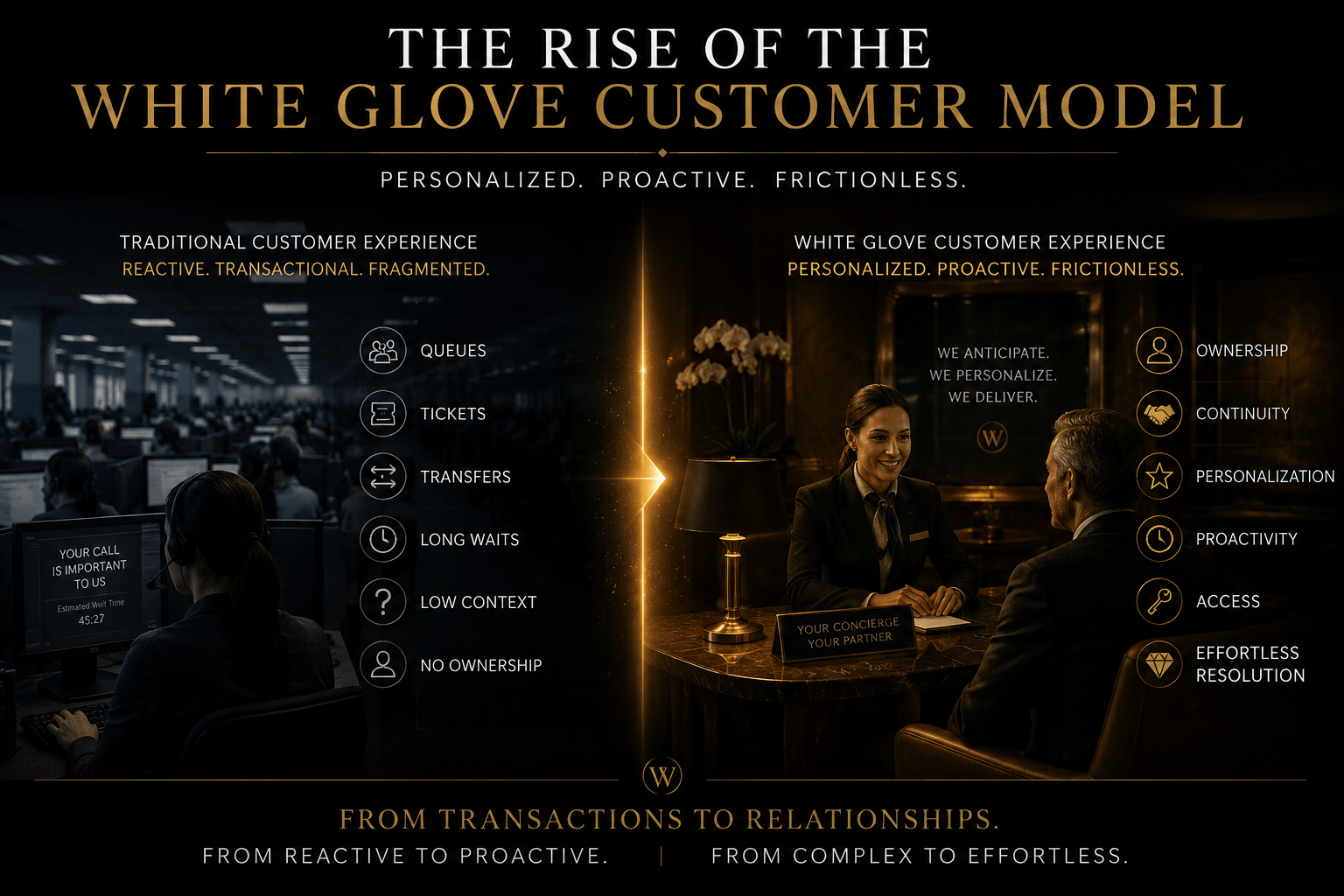


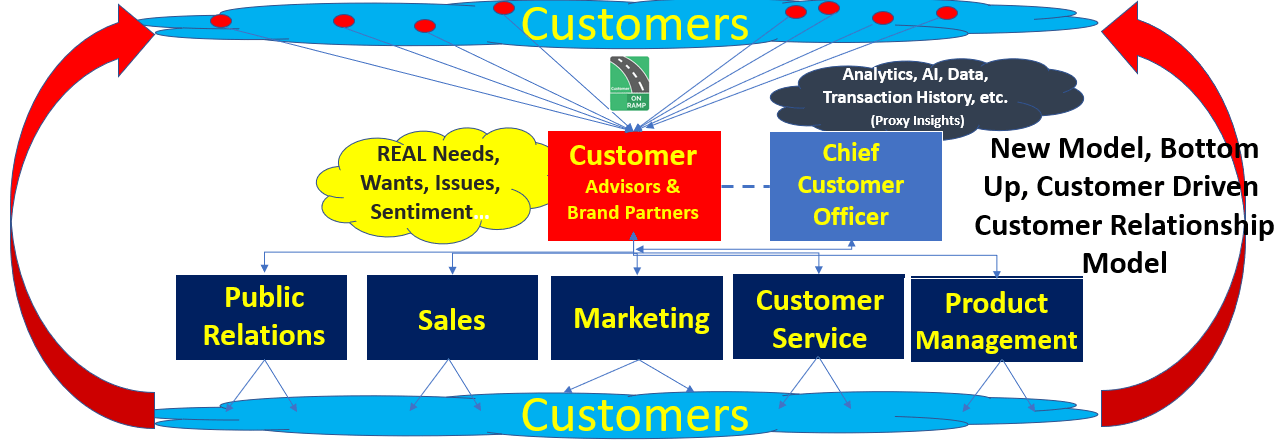










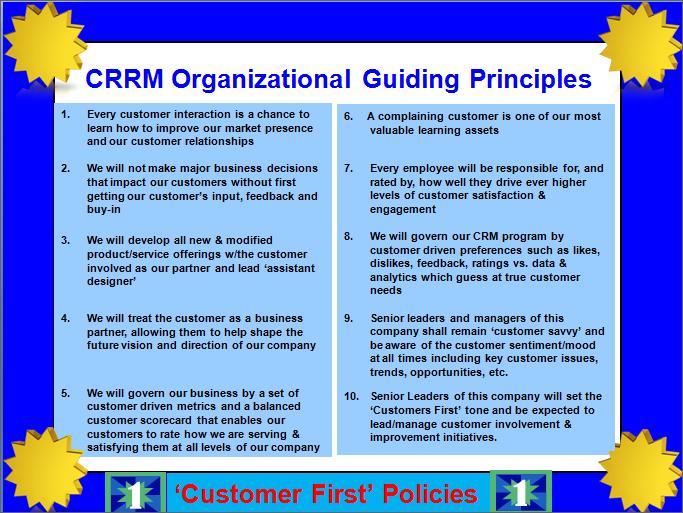
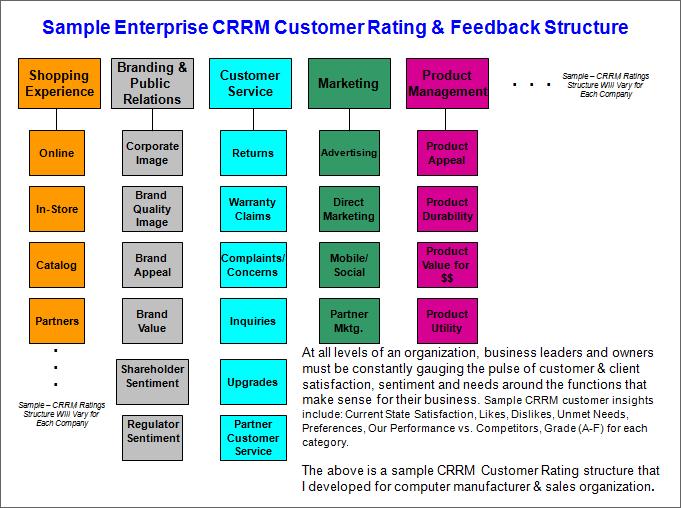

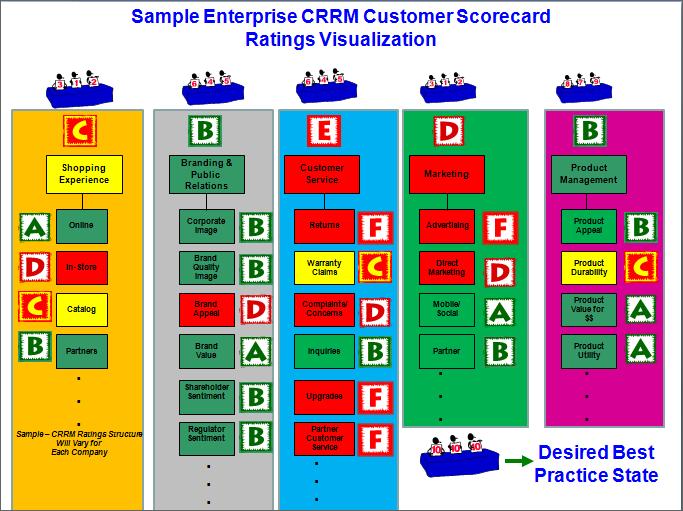

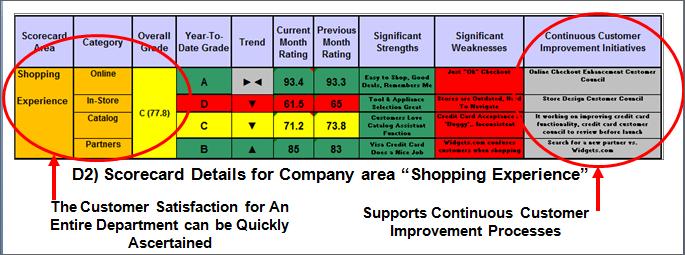
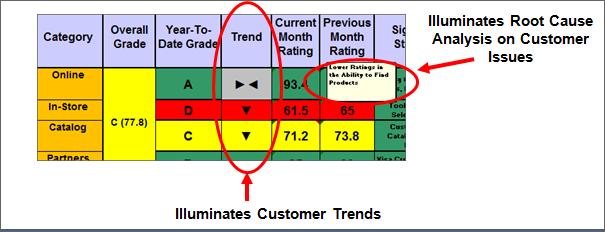
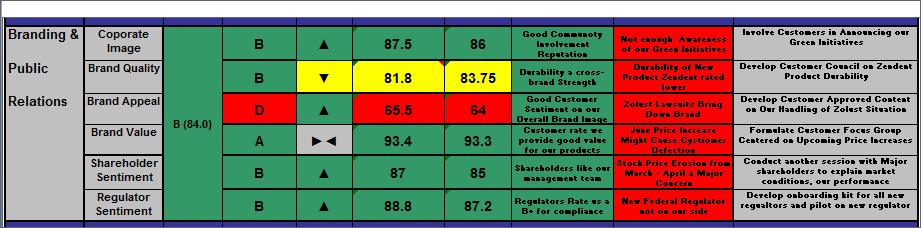
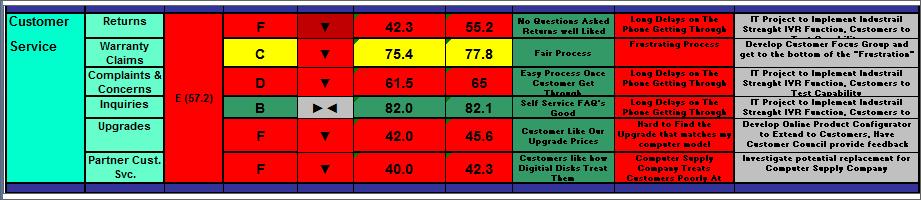

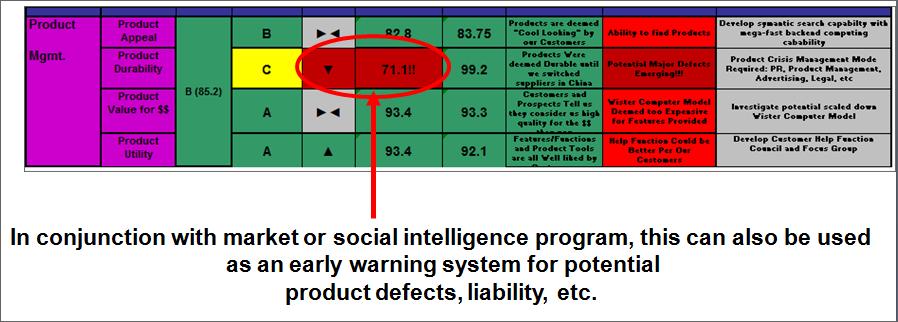

Achieving Market Leadership by Effectively Managing Customer Loyalty and Advocacy
September 11, 2015 1 Comment
To find out the answer to these questions, read the rest of this informative blog article below.
Customer Loyalty & Advocacy
{Click on image above for a larger/clearer view}
Your customer base is almost always represented by the above spectrum of customers. What varies from business to business is the percentage in each segment group. The more well managed your business, the more skewed to the right your customers tend to be. Therefore a business must develop strategies to migrate customers continually from the left to the right from segment group to segment group in increasing numbers. The rest of this blog is dedicated to sharing best practices on how to migrate more of your customers to the right of the spectrum.
Customer Loyalty and Advocacy Framework
{Click on image above for a larger/clearer view}
For any company to achieve world-class status, one must carefully map out a customer loyalty and advocacy framework including the following component steps from the chart above:
Customer Loyalty & Advocacy Framework Segments
{Click on image above for a larger/clearer view}
The above customer loyalty & advocacy framework includes the following segments:
A formal social and company/brand listening and tracking program is a best practice on how to identify which of your customers exist in each of the above segments (see my previous blog entry on the topic of Social listening programs).
Customer Dissenters & Defectors
{Click on image above for a larger/clearer view}
From this graphic above, we can see clearly that the strategy should be as follows:
Unless the individuals in these segments are high value or high profitability customers, then you would want to minimize the financial rewards to these customer satisfaction segments.
In addition and based on my research and experience, you are wasting your marketing and sales $$ spend to these two segments as they are much more unlikely to respond to any marketing offers due to being so currently dissatisfied with the company and brands (think about it – why would they trust you and buy more of the same when their initial experiences were so terrible?).
Customer Neutrals & Supporters
{Click on image above for a larger/clearer view}
From this graphic above, we can see clearly that the strategy should be as follows:
Customers in these segments should be offered tiered financial rewards to incentivize them to want to contribute at even higher levels to brand value and to remain even more loyal to the company and its brands.
Customer Advocates & Super Advocates
{Click on image above for a larger/clearer view}
From this graphic above, we can see clearly that the strategy should be as follows:
Customer Loyalty & Advocacy Cross-Segment Best Practices
{Click on image above for a larger/clearer view}
The graphic above highlights just a few of the cross-segment customer loyalty & advocacy best practices I recommend that companies continually practice to migrate customers from the negative segments that hurt the company’s brand value (dissenters, defectors) to positive segments (advocates and super advocates) that adds incredible value to a company’s brand.
Here are the brands for which I am a Dissenter, Defector, Neutralist, Advocate and Super-Advocate for based on my own personal experience and opinions:
Companies For Which I am a Dissenter
{Click on image above for a larger/clearer view}
Sears
Sears – I received abject customer service back in the late 1980’s and don’t want anything to do with the retailer ever again. I have tried to give them a second chance and continue to have an unsatisfactory experience. I pledge to never set foot in a Sears store again.
Target
Target – I interviewed for a senior management position at Target a several years ago was treated so poorly that even the HR manager at the time said the treatment of me was ‘questionable’. She then shared with me that she asked upper management “are we really trying to hire the best candidate here?” before she left the company. I vowed to never shop in Target again and have held true to my word.
Empire Carpet Today
Empire Carpet – We had several issues with our carpet installation and follow up customer service. They are very disorganized, non-customer friendly and do not seem to keep with the volume of sales that they generate. I will never use this company ever again. We steer people away from this company if asked.
2) Companies and Brands I am likely to Defect from or have defected from and tell everybody about why I am about to leave (or have left) these company & brands:
Companies for which I am a (potential) Defector
Bank of America
Bank of America – Closed many of the local branches where I live and the abundance of local branches was the reason I opened an account with BOA in the first place. The remaining branches are now crowded and not staffed adequately. This tells me they care more about the bottom line than customer satisfaction.
Marriott
Marriott – In my opinion Marriott has lost its way. I used to be a Platinum member at Marriott for many years. Their properties since that time have become worn as compared to their competitors and they seem to not listen well to their customers. An example of this myopia is when they converted the Courtyards to the Bistro concept. Every customer I speak to was disappointed by this change but they went ahead and did it anyway (presumably to save $$ on operations costs).
Frigidaire/Electrolux
Frigidaire/Electrolux – Our dehumidifier stopped working after only 1 year. We have been trying to get a credit from them for six months with no end in sight. The return process is the most customer unfriendly I have ever encountered with no possibility of human interaction. We have been without a dehumidifier for an entire year due to their poor customer service process.
3) Companies and Brands I am Neutral about and don’t really have much to say about them:
Samsung, Sony, Direct TV, Time Warner Cable, Panasonic, Cuisinart, Hunter Fans, Home Depot, Lowes, Macy’s, Sunoco, US Air, Delta, Tractor Supply, Wal-Mart, McDonalds, Burger King, Chili’s, Pizzeria Uno, American Airlines, Holiday Inn and many more. This category contains the most number of brands due to the distribution across segment group being shaped like a bell curve
4) Companies and Brands I am an Advocate of and share positive stories with anybody who is willing to listen:
American Express
American Express – I have worked with American Express as a consultant on several different strategic projects. They are an extremely well run organization with some very smart people running the company. I have also been a Platinum card member for many years. They provide excellent customer service and their fee structure is the only thing keeping me from being a super-advocate. I tell everyone I meet I consider American Express a world-class company.
Southwest Airlines
Southwest Airlines – Southwest is just a great airline and makes the flying experience pleasurable. They are almost always on-time, the employees are friendly (some even humorous) and they try to be reasonable to their customers at every turn. I used to hate Southwest and am now a Southwest lover/advocate.
Hilton Hotels
Hilton Hotels – Did you guess what hotel I become more loyal to after minimizing my Marriott loyalty? Guess no further. Hilton has been on a roll creating new and invigorating hotels and I am now an advocate/loyalist and stay at Hilton Hotels whenever possible.
Dooney & Bourke
Dooney & Burke – Dooney & Bourke creates high quality, classic and trendy handbags and accessories that last over long periods of time even with heavy usage. Styles and collections are priced to reflect the consistent durability and attractiveness of this brand. If something goes wrong with their products, they stand behind them through high quality customer service.
5) Companies and Brands I am a Super – Advocate of and go out of my way to tell everyone how wonderful my experience has been with dealing with these companies:
Companies For Which I am a Super-Advocate
Cox Automotive
Cox Automotive – Cox Automotive has a great company culture consisting of many top automotive brands that includes Kelly Blue Book, Autotrader, Manheim, NextGear, DealSheild to name a few. The company is one of the best places I have ever worked and includes an employee first culture that they actually adhere to and practice. The company is run by a world-class CEO named Sandy Schwartz that has a great vision for the company’s future and is very visible in his support for the employee oriented culture.
Toyota
Toyota – My family has owned Toyota vehicles for many years. Toyotas are extremely reliable automobiles. I have a Tundra with 132,000 miles on it and have had zero major issues with it. I have such an affinity with my Tundra I have a hard time thinking about trading it in for another vehicle even though it would most definitely be another Toyota.
Ritz Carlton
Ritz-Carlton – I love staying at Ritz-Carlton since the experience each and every time is truly memorable. I also worked as a consultant for Ritz-Carlton to help design the perfect customer experience for guests. Ritz Carlton’s goal is to create an experience to remember and smile about and they live up to this promise every time.
The amazing (or sad) part about my sentiment rankings of the above companies is that, despite spending millions ($$$) on analytic systems and databases, I am willing to bet that very few, if any, actually were knowledgeable about my sentiment toward their brands prior to my writing this article.
This relates directly to a previous blog entry I developed on why CRM (Customer Relationship Management based on historical analytic insights) is dead and a new CRRM model is now a best practice. In this article I point out how world-class companies now query their customers how they feel about the company and brands on a periodic basis. Like me, many customers would be more than willing to share their sentiment and how they are feeling towards the company and their associated brands. Bottom Line: Analytic models provide minimal understand of true customer sentiment when it is primarily focused on historical purchases, spend, etc.
Share this:
Like this:
Filed under CRM, Customer Profitability, Marketing Tagged with abject customer service, American Express, Bank of America, best customer satisfaction management programs, best customer sentiment management programs, bottom tier customers, brand affinity, brand champions, brand detractors, brand identity, brand image, brand images, brand passionate, brand supporters, brand word cloud, brand zealots, companies with crappy customer service, companies with great customer service, companies with poor customer service, company champions, company passionate, company public image, company reputation, company word clouds, company zealots, Cox Automotive, cross-sell products, cross-sell services, customer advisory boards, customer advocacy, customer advocacy best practices, customer advocacy councils, customer advocacy management programs, customer advocate, customer advocate programs, customer advocates, customer awards ceremonies, customer brand identity, customer communications programs, customer councils, Customer cross-segment best practices and processes, Customer Defection Prevention, customer defectors, customer destroyers, customer dissenters, customer engagement levels, customer engagement scores, customer financial rewards, Customer focus groups, customer lifetime value, customer lifetime value and customer satisfaction, customer loyalist, Customer Loyalty, Customer Loyalty Best Practices, customer loyalty programs, customer management cost containment, customer management costs, Customer Management Programs, customer management strategies, customer negative buzz, customer neutral, customer participation rates, customer positive buss, customer recognition, customer recognition programs, customer referral network, customer referrals, customer rewards, customer rewards programs, customer roundtables, customer satisfaction brand management, customer satisfaction improvement, customer satisfaction improvement programs, customer satisfaction levels, customer satisfaction ratings, customer satisfaction segments, customer satisfaction word cloud, customer segment definitions, customer segment management, customer segment migration, customer segment strategies, customer segment strategy, customer sentiment brand management, customer sentiment segments, customer sentiment trends, customer sentiment word cloud, customer service continuum, customer service cost reduction, customer service from hell, customer service levels ratings, customer service nightmare stories, customer service spectrum, customer spend and satisfaction, customer supporters, customer top advocates, Customer Value, customer win-back, customers from hell, dealing with angry customers, dealing with irate customers, dealing with unhappy customers, destroy brand image, destroy company image, destroying brand image, Dooney & Bourke, efficient customer service, electrolux, Empire Carpet, Empire Today, firing customers, Frigidaire, great customer service, happy customers, high profitability customers, high value customers, Hilton Hotels, impact from great customer service, impact of poor customer service, impacting brand image, increase customer value, irate customers, irrational customers, isolating angry customers, low value customers, lowest profitability customers, marketing and customer satisfaction, Marriott, mid-tier customers, most loyal customers, negative brand comments, negative brand sentiment, negative company comments, negative customer sentiment, net promoter score, net promoters, neutral brand sentiment, neutral customer sentiment, nightmare customer, nightmare customer service, poor customer service, positive brand comments, positive brand sentiment, positive company comments, positive customer sentiment, Ritz Carlton, Sears, Southwest Airlines, Steven Jeffes, target, top customer advocate, top tier customers, Toyota, tracking customer satisfaction, unhappy customers, up-sell products, up-sell services, valuable customer segments, word of mouth negative comments, word of mouth positive comments, world-class customer satisfaction management programs, world-class customer sentiment management programs